In today’s digital age the need for a reliable and stable WiFi signal is essential to ensure uninterrupted connectivity and efficiency. The strategic placement of Wireless Access Points is key to achieve this. The location of your WAP significantly determines the strength and stability of your WiFi signal so it’s crucial to locate it correctly. We’ll explore WAP devices, and learn how to pick the right access point at home for optimal wireless connectivity.
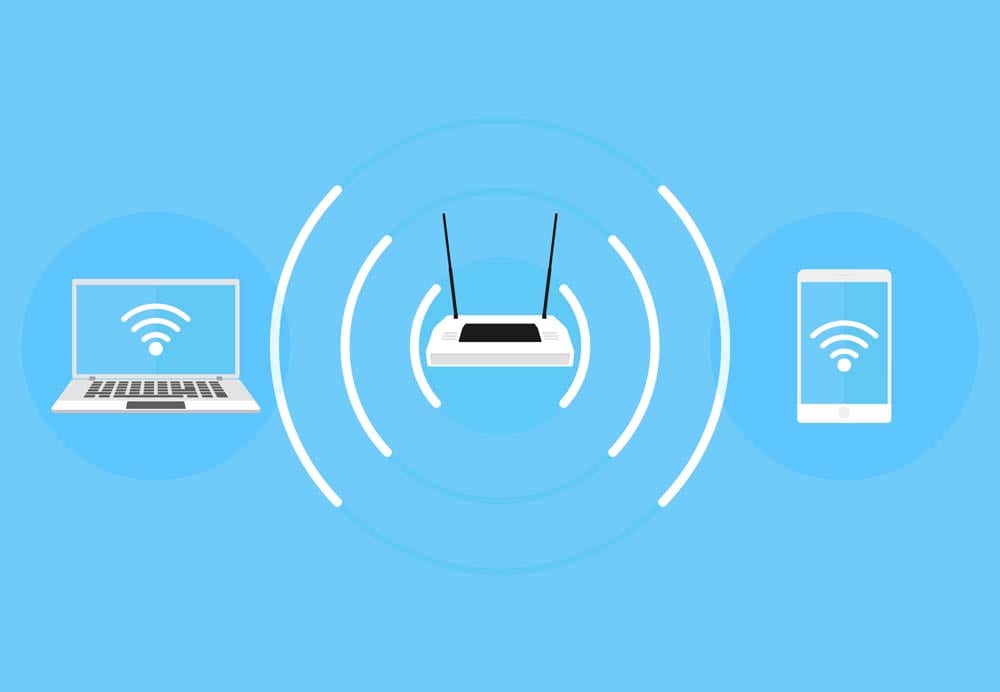
The Wap Wireless Access Point is an essential network device that allows wireless-enabled devices to connect with wired networks using WiFi or other related standards. It’s a vital device to increase your network’s range and eliminating the necessity of using bulky cables. WAPs WAP receives information from a router on an Ethernet cable, and transforms it into a wireless signal. This signal can be picked up by WAP devices, providing them with access to the network.
The Effects of WAP Placement
A WAP should be strategically placed in order to create a powerful and reliable WiFi network in your area. The positioning of the WAP could affect the strength of your signal, the area of coverage, as well as the overall performance of your WiFi network. Placement of the WAP at its optimal position can assist in reducing interference, enhance coverage and enhance user’s connection experience.
Factors that affect the strength of WAP’s signal
The signal that WAPs send to your device is affected by various aspects. This includes:
Signal Strength: The intensity of the signal transmitted through the WAP.
Range: The distance over which the WAP can transmit a clear and steady signal.
Interference: The presence of obstacles or electronic devices can affect the WiFi signal.
Find the Best Access Point for Home
The best WAP is crucial for a reliable WiFi at workplace or at home. When selecting the best home access point, there are many aspects to consider.
Signal Strength and Coverage Choose a WiFi provider that offers an impressive signal strength and a wide coverage area. This will ensure that your WiFi signal is accessible within the desired location with no dead zones.
Select a WiFi with features which minimize interference. It could be tri-band, dual-band, or other capabilities that allow you to navigate WiFi channels with a high volume of traffic.
Easy Setup and Configuration: Choose a wireless access point with simple configuration and setup. Installation processes that are simplified and intuitive interfaces cut down on the amount of time and effort.
Security Features: Select WAPs that have strong security features such as encryption protocols, security settings, and security settings. This will help protect your data and network.
Scalability: Ensure that your WAP is capable of handling the devices that you are planning on connecting. A WAP that can scale grows as your network’s demands which makes it a long-term investment.
The optimal placement of WAPs to ensure maximum performance
Central Location: Position the WAP in a central area to ensure an even distribution of WiFi signals throughout your space. This helps reduce dead zones and making sure that you have a consistent connection throughout the entire area.
The WAP can be mounted in a higher position like on a ceiling or wall. This lets the signal be broadcasted more effectively and gives better coverage.
Beware of Interferences – Keep the WAP far away from any device or material that could cause interference. Examples are microwaves, cordless telephones and even metal structures. This ensures a strong WiFi signal.
Professional Assessment: Talk to IT experts for an in-depth evaluation of your space. They can assist you in determining the best areas for WAP placement, in accordance with your needs.
You can also read our conclusion.
In the rapidly evolving technology world, having a reliable WiFi connection is vital. Wireless Access Points (WAPs) play a vital role in making sure this happens by expanding your network’s reach while also providing an efficient WiFi signal. Placement of your WAP carefully and deciding on the best wireless access point are key elements to achieving the best WiFi performance.
It is worthwhile to invest the time and effort to analyze the available space and understanding the factors that affect WAP signal strength and considering the most important aspects of WAPs. It is possible to maximize the power of your WiFi network by mastering the art and science behind WAP placement.