Industries today are going through an era where speed, flexibility, and efficiency are no longer options, they are now essential. Traditional infrastructure, typically expensive and slow to change is unable to meet the ever-growing demand for instant analysis and distributed operations. ScalerPi brings a fresh perspective to the table through the combination of edge-computing and the practical aspects of engineering. This allows for solutions that scale.
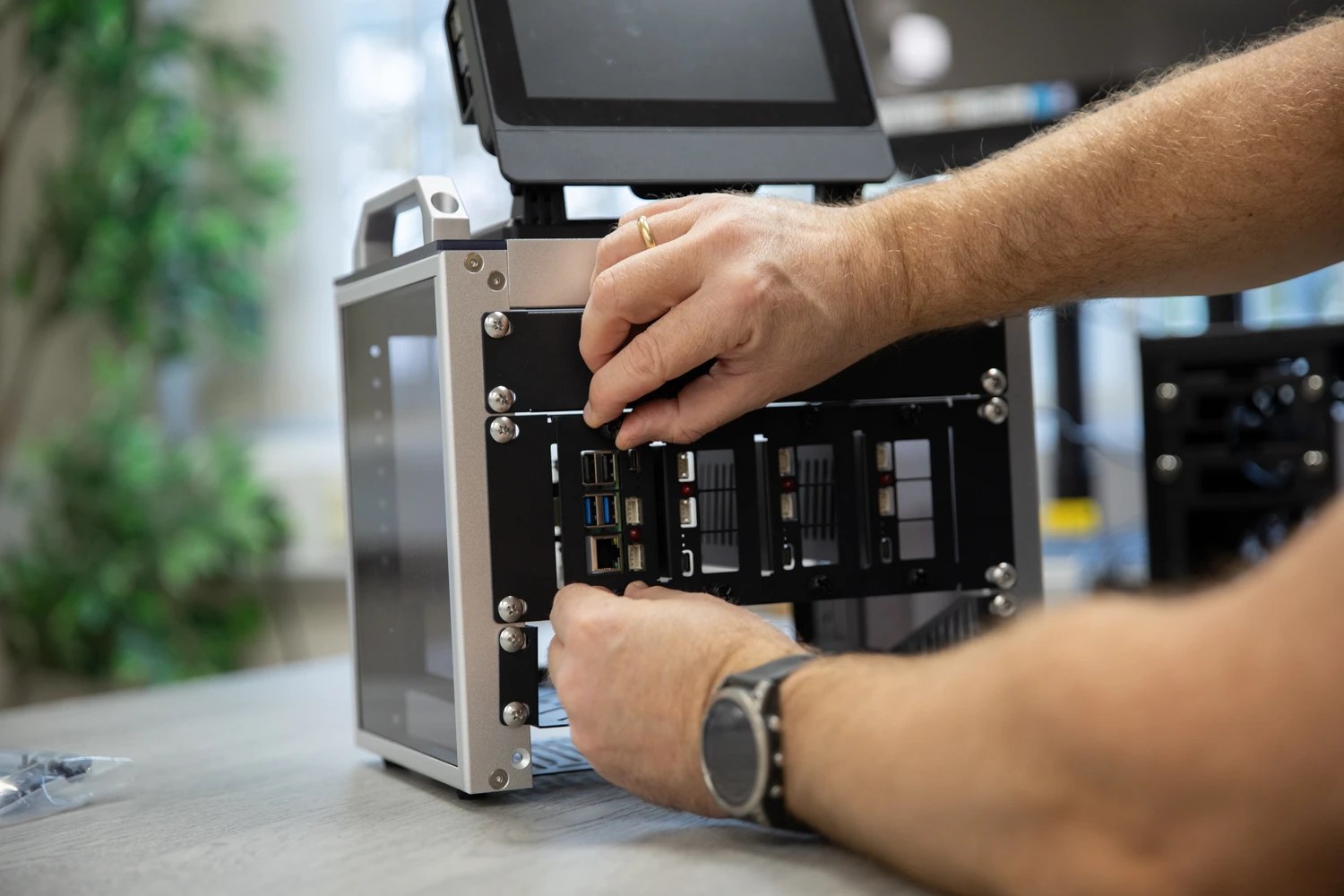
At the core of this evolution is industrial automation using Raspberry Pi, which enables organizations to rethink how they build and manage systems. Instead of having to rely on centralised, heavy hardware, businesses are now able to use lightweight, yet powerful devices that operate directly where data is created. This technique not only cuts down on time to respond, but also allows teams to react immediately to the changing environment.
Data-driven Action at the Edge
The ability to process data locally is the main benefit of computing at the edge. In the absence of cloud-based solutions, waiting for them to be able to handle a variety of industrial settings is not practical. ScalerPi helps with this by offering the infrastructure to operate on its own yet is able to integrate with broader systems as needed.
The industrial Raspberry Pi IoT Gateway is one of the key components in this set-up, since it serves as a central interface for devices and applications. It enables seamless communication across sensors, machinery and software platforms, making sure that data flows securely and efficiently. It is possible to monitor the operations in real-time, detect issues quickly and maintain consistency across several sites.
This capability has a transformative impact on the industries of environmental monitoring and logistics. Systems can continue functioning even in remote or low-connectivity zones, making sure that the operation continues in full swing and data is always accessible.
Compact Power for Demanding Environments
The problem with industrial computing is balancing the practical and performance. Although big servers can provide great power, they are often expensive, use a lot of energy, and possess little range of flexibility. ScalerPi offers industrial Raspberry Pi servers which deliver high-quality computing in a small and energy-efficient design.
These servers are designed for environments in which space and power are limited. When they are used in a factory, a retail outlet, or even a remote monitoring station, they will provide the same performance, without the need for an extensive infrastructure. Their modular nature also lets companies expand their systems in a gradual manner, aligning their growth with the needs of the moment.
The small industrial Raspberry Pi module server takes the concept to the next level and gives you more flexibility. These servers are built to withstand harsh conditions and integrate advanced processing with endurance. These servers are great for applications that must continue to run, such as smart city systems or industrial automation installations.
Containerized deployments allow for flexibility
Modern infrastructures need to be flexible and flexible, and containers can aid in. ScalerPi incorporates Raspberry Pi docker for flexible and efficient applications management. Docker allows companies to implement, update and expand applications rapidly without disrupting existing operations.
This approach simplifies the development process and helps ensure consistency between different deployments. This lets applications be tested on one site and then seamlessly transferred to another. This minimizes the risk of error and enhances overall reliability. This degree of control could be invaluable for organizations that have multiple sites.
Containerization helps in the process of innovation. Teams can play around with features and services without having to affect existing systems. This makes it much easier for them to stay at the top of their game.
Practical Solutions in Multiple Sectors
ScalerPi’s strengths lie in its ability in adjusting to various industries. In manufacturing, industrial automation using Raspberry Pi provides pre-planned maintenance, which can help reduce the time of breakdown and boost efficiency. The machines are able to share and communicate data, creating a unified and intelligent working environment.
Edge technology in agriculture supports better farming practices. Sensors monitor the conditions of soil, weather patterns and crop health. This helps farmers make informed decisions that will increase yields and conserve resource.
Hospitality and retail industries get real-time information on customer behavior. From digital signage to queue management businesses are able to enhance customer experiences while also optimizing operations. While public sector initiatives like smart cities depend on advanced infrastructure for tasks like monitoring environmental quality and asset tracking.
The bridge between Hardware and Cloud with Confidence
What makes ScalerPi unique is the ability it has to bridge the gap between physical devices as well as cloud-based systems. It creates an unified platform by combining the expertise of hardware with modern cloud technologies.
It allows businesses to grow without adding complexity. If you start with a tiny installation or growing to thousands of devices, the system is safe, manageable and efficient. The transparent pricing system and modular designs further simplify the process. Companies can concentrate on innovation and not operational challenges.
A Future-Ready Approach to Industrial Technology
As industries continue to develop as they continue to evolve, the need for an efficient and flexible infrastructure will rise. ScalerPi is a solution which can meet these needs by combining the power of edge computing with the versatility of Raspberry Pi technology.
From industrial Raspberry Pi servers to advanced IoT gateways and containerized applications Every component is created with scalability and practical use in mind. The system is built to not just serve today’s needs, but prepare businesses for future challenges.