Step-in dog harnesses have become increasingly popular with pet owners who want a simpler and more comfortable alternative to traditional harness designs. Their easy “step-in and clip” structure makes them especially appealing for dogs who dislike wearing anything over their head. But convenience alone is not enough when it comes to your dog’s safety. So, are step-in dog harnesses truly safe and secure? The answer depends largely on how the harness is made, fitted, and used.
How Step-In Harnesses Protect Your Dog
Unlike collars, which place pressure directly on a dog’s neck, step-in harnesses spread force across the chest and upper body. This reduces the risk of throat injury if your dog pulls suddenly. When a dog lunges forward, the harness acts as a stabilizer instead of a choke point. This design is especially helpful for small breeds, puppies, and dogs with respiratory issues.
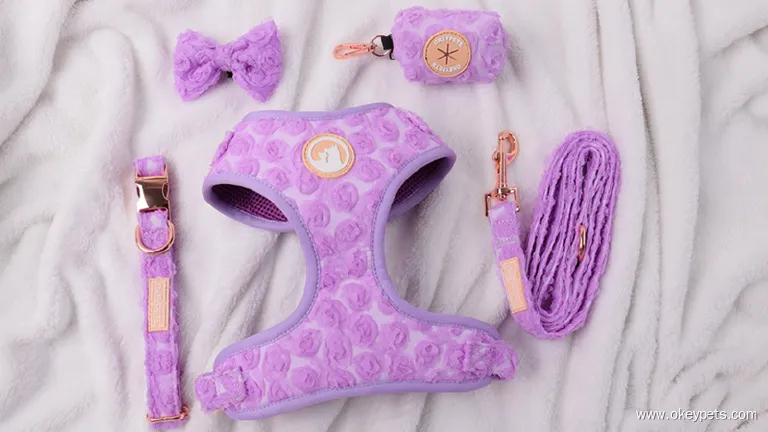
Another important benefit is that step-in harnesses prevent neck twisting, which can happen with a leash attached to a collar. By distributing pressure more evenly, a well-fitted harness supports natural movement without placing strain on any single area.
Security Depends on Proper Fit
A step-in harness can only be secure if it fits correctly. If the harness is too loose, a dog can slip out through the leg openings. If it’s too tight, it may restrict movement or cause discomfort. The harness should sit snugly around the chest while leaving enough room to fit two fingers between the straps and your dog’s body.
Many dogs benefit from a custom dog harness, which allows precise measurements to ensure a secure fit. This is especially helpful for dogs with deep chests, thin waists, or unusual body proportions that standard sizing often fails to accommodate.
When Step-In Harnesses Work Best
Step-in harnesses are safest for dogs who walk calmly and do not pull excessively. They’re well suited for daily strolls, short walks, and trips around the neighborhood. They also work well for older dogs that need gentle support without bulky straps.
For strong pullers or larger breeds, step-in harnesses may not offer enough control. In these cases, adjustable harnesses with additional support points may be more suitable.
Build Quality Is Critical
Not all step-in harnesses are created equal. A trusted dog harness manufacturer uses high-quality materials, reinforced stitching, and durable hardware to prevent breakage. Weak buckles or thin fabric compromise safety, especially if your dog makes sudden movements.
Quality manufacturers also test harness strength and comfort before release. Reflective features, sturdy fasteners, and breathable padding are signs of thoughtful design and good construction.
Style Should Never Replace Safety
Some owners choose a designer dog harness for appearance, but a harness should always be chosen for function first. A stylish design should still include strong stitching and secure hardware. A harness that looks good but performs poorly is not a safe option for any dog.
Common Safety Mistakes to Avoid
Forcing a harness onto your dog can create stress and cause long-term fear. Always introduce it gently. Avoid skipping size measurements and replacing worn-out harnesses too late. Over time, straps weaken and stitching loosens, making older harnesses unsafe.
Another common mistake is attaching the leash to the wrong part of the harness. Always use the designated leash ring for secure control.
Final Verdict
Step-in harnesses can be safe and secure when used correctly. The key lies in proper sizing, quality construction, and responsible use. They are an excellent option for calm dogs that enjoy daily walks without pulling.
However, no harness is perfect for every dog. Evaluate your dog’s size, activity level, and comfort before choosing a harness style. With the right fit and reliable build, a step-in harness can offer a safe and comfortable walking experience for both you and your dog.