Effective communication is essential in today’s fast paced business environment. It is crucial to keep effectiveness and motivation, no matter if employees work remotely, on site or work in hybrid models. This is where business communication software plays a critical role. Incorporating internal communication software can help reduce confusion and help to create an environment that is based on openness, collaboration, inclusion and cooperation.
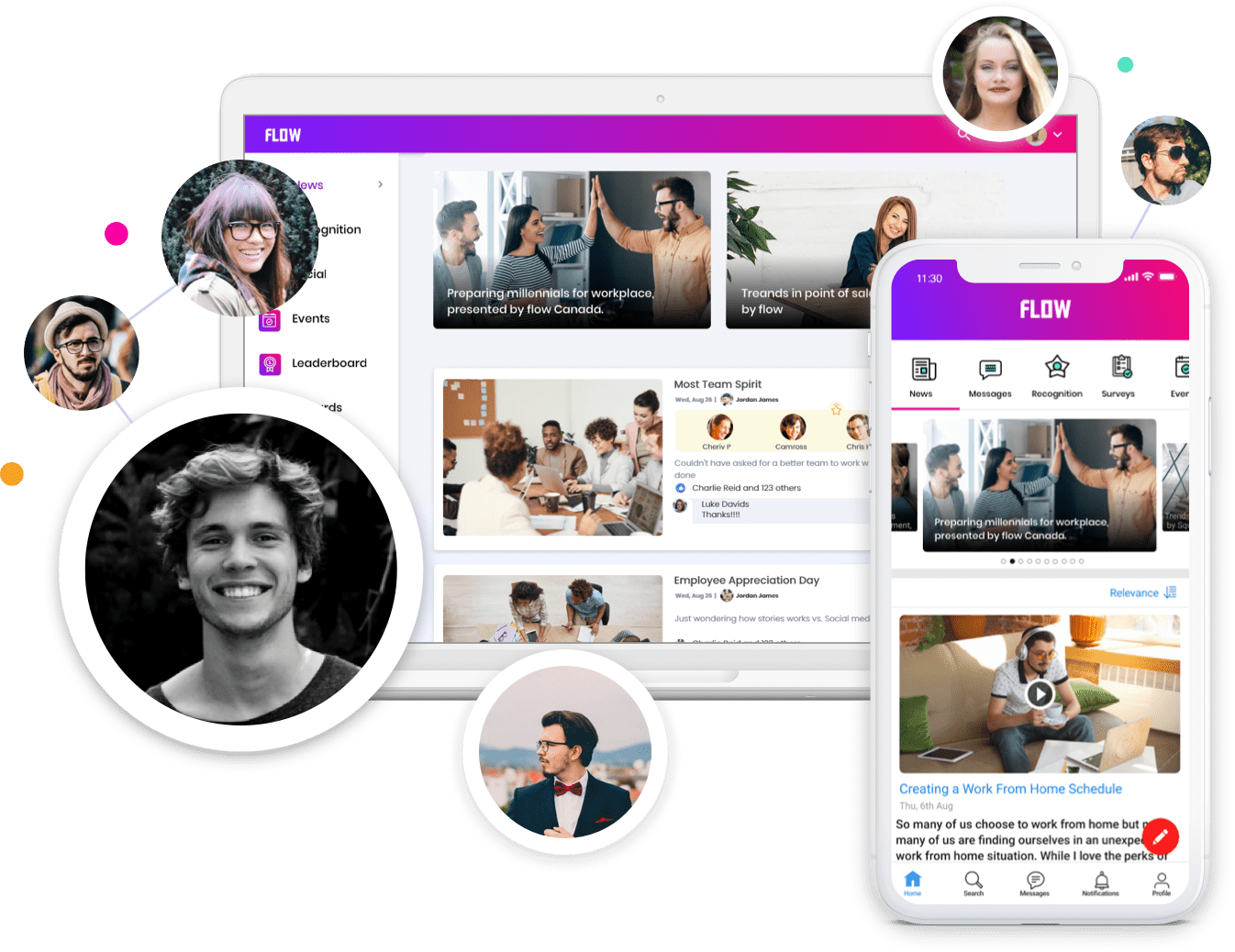
Image credit: hubengage.com
If your business is relying on outdated emails or chat apps that don’t work or dispersed communication channels Perhaps it’s time to investigate new internal communication platforms which can improve communication and bring your team together.
Business Needs Advanced Communication Tools
The days of bulletin boards and email communication with employees are long gone. Today, businesses live in a world that is characterized by instant messaging, real-time collaboration, and virtual workplaces. Companies that don’t have the proper tools to facilitate internal communication may face ineffective communication, lower engagement and decreased productivity.
1. Improved Engagement of Employees
One of the most difficult issues in today’s workplace is keeping employees engaged and engaged. An organized software solution for internal communication ensures that employees feel valued and heard, no matter where they are. Features like:
Real-time announcements.
Interactive feedback polls
Employee Recognition Programs
Mobile-friendly platforms for communication.
Create a sense belonging in the workplace, which can result in increased productivity and job satisfaction.
2. Improved Workplace Clarity and Reduced Confusion the clarity of work
When employees don’t receive clear communication, misunderstandings happen. This can lead to missed deadlines, duplicated work, and a general feeling of discontent. Business communication software provides:
Centralized information exchange. Employees will be in a position to access documents, information, and updates in a single, unified location.
Utilize task and tools to manage projects and ensure that everyone understands what their role is and what they are doing.
Clearer workflows: Reduces obstacles to projects, making sure they are efficiently moved.
employees who work for companies that have structured internal communication platforms are more efficient and more confident.
3. Transparency & Culture in the Workplace
Open communication and trust are the foundations of a strong corporate culture. When employees are kept informed of company goals, updates, and other changes, they’ll be more enthusiastic and committed to the goals of the organization.
Modern tools for internal communications offer features such as:
Leadership video messages: Direct communication between executives and employees.
Employee town halls & Q&A sessions. – Encourage two-way communication.
Recognizing the hard work of employees through recognition and appreciation programs.
Through encouraging open and honest communications, businesses can lower unemployment and build a committed workforce.
4. Supporting Remote & Hybrid Work Models
Traditional methods of communication do not work as businesses are embracing hybrid or remote work. Teams need immediate access to meetings, documents and chats no matter where they are.
Cloud-based software for internal communications allows:
The collaboration between time zones is seamless.
Share documents and edit them in real time.
Incorporate video conferencing into virtual meetings.
Apps that are mobile-friendly for communications on the go.
Businesses that utilize internal communication platforms specifically designed for remote teams enjoy greater productivity and collaboration in comparison to companies that rely on outdated methods of communication.
5. Enhancing Crisis Management & Business Continuity
Emergencies can occur at any time, whether they’re a threat to cybersecurity, a disruption in the market or restructuring of your business. With a reliable business communication software will ensure that employees get immediate updates, safety guidelines as well as the required instructions in an emergency.
Modern tools for internal communication use can provide:
Push notifications instantly to alert users of critical issues
Automated workflows to send messages to assist employees in times of crisis
Centralized knowledge base with emergency protocols
It is essential to be prepared for disruption and ensuring that productivity is maintained.
The Future of Internal Communication Software
As technology develops and the requirements increase, so too do the demands for business communication software. Businesses that make investments in AI-powered internal communication platforms are making strides through automation of repetitive tasks as well as analyzing employee engagement data and customizing their communication strategies.
Some emerging trends include
AI chatbots provide instantaneous customer support to employees.
An analysis of workplace sentiment through the Sentiment Analyzer.
Interactive dashboards with real-time communication analytics.
Businesses can improve efficiency and teamwork with the help of an intuitive, intelligent software system.
Final Thoughts: Choosing the Right Internal Communication Platform
Upgrade your internal communication software If your company is still struggling with a lack of communication, disengaged employees or unconnected workflows. Business communication software can transform your workplace from a place of disengagement and miscommunication into one that’s focused on collaboration with transparency, engagement and teamwork.
Modern internal communication software is not an option anymore. It’s mandatory for organizations that want to remain competitive, hold the best employees and foster positive workplace cultures.
Are you seeking the ideal platform to facilitate internal communications within your organization? Begin by searching for options that include real-time messaging and mobile access. Also, think about centralized sharing of information, engaging with the leadership team, and management involvement.